2026-09-06
Cycle counting without closing for a day
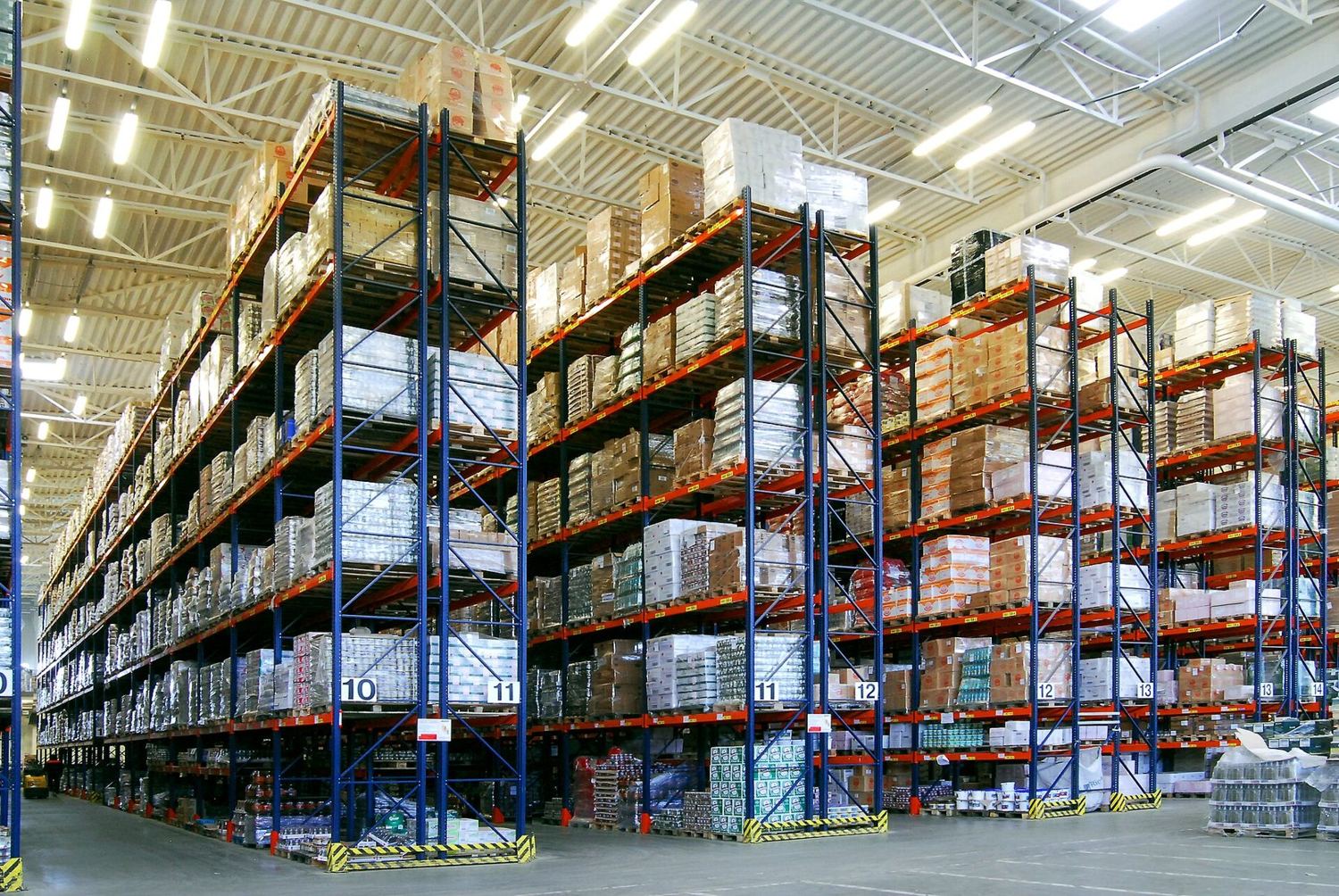
Full physical inventory counts are miserable. You shut the warehouse down, pull everyone off picking and receiving, and spend a day or two counting things that were probably fine to begin with. Then three weeks later the counts are already drifting again because nobody's checking anything in between. Cycle counting is the alternative: you count a small number of bins on a regular schedule, all year, and you never have to close the doors.
Count a few bins, not the whole warehouse
The idea is simple. Instead of one huge count once or twice a year, you break the warehouse into pieces and count a piece at a time — a handful of bins a day, or a section a week, whatever fits your staffing. Nobody stops working. A picker or a receiving clerk with fifteen free minutes can knock out a few bins between other tasks.
Over a few months, every bin in the building gets counted at least once, usually more than once for the busy ones. You catch errors close to when they happened instead of finding them eleven months later with no idea how they got there. And because you're only touching a small area at a time, a count that turns up a problem doesn't derail your whole day — you fix it and move on.
This only works if you actually stick to a schedule. "We'll get to it when things slow down" means it never happens. Put it on the calendar like any other recurring task — pick two bins every morning before the first pick wave, or one aisle every Friday afternoon.
Which bins to start with
Don't just start at aisle one and work across. Prioritize:
- High-velocity bins first. The SKUs that move every day are the ones where a wrong count actually costs you — a stockout, an oversell, a picker standing in front of an empty bin. Count these most often.
- Bins with a history of problems. If a location has been wrong before, or the product there gets picked and repacked constantly, count it more often than a slow-moving shelf in the back.
- High-value items. Even if they don't move fast, a bin holding expensive product is worth checking regularly — the dollar impact of being wrong is bigger.
- Anything that had a recent transfer, return, or receiving exception. Movement is where errors get introduced. A bin that just had product moved into or out of it is a good candidate for a near-term recount.
- Random sampling for everything else. For slow movers and low-value stock, a rotating random pick is fine — you just want to make sure nothing goes untouched for a year straight.
A simple ABC split works for most warehouses: A items (your top movers) get counted monthly, B items quarterly, C items once or twice a year. You don't need software to do this — a spreadsheet with a count date column works, though if you're tracking bins in Bins-USA, cycle counts and the count history are already tied to the same bin and location records you use for picking, so you're not maintaining a separate list.
What to do when the count doesn't match
You will find differences. That's the point of counting — finding them while they're small and recent instead of large and mysterious. When a bin count doesn't match what the system says, don't just overwrite the number and move on. A few steps first:
- Recount before you adjust anything. A lot of "discrepancies" are just miscounts — someone misread a label, counted a partial case as a full one, or missed a unit tucked behind something. A second look by a different person catches this fast.
- Check for an unrecorded transaction. Look at recent receiving, transfers, and picks for that bin. Often the missing units show up in a nearby bin, or there's an order that shipped without the pick being logged, or a transfer that was physically done but never entered.
- Note the cause, not just the number. If you can tell why it happened — mislabeled bin, wrong item put away, a return dumped in the wrong spot — write that down. A running log of causes tells you where your actual process is breaking, not just that your inventory is "off."
- Adjust and move on. Once you're confident in the recount, update the system to match reality and note the date. Don't leave a known-wrong number sitting in the system waiting for the next full count to fix it.
- Watch for repeat offenders. If the same bin is wrong two cycles in a row, something about that location is the problem — bad labeling, awkward layout, two SKUs that look alike sitting next to each other. Fix the location, not just the count.
This is where scanning helps more than a clipboard: a barcode scan confirms you're counting the bin and item you think you're counting, and it timestamps the count automatically so you're not relying on someone's memory of when they checked it.
None of this requires a big rollout. Pick five bins this week, count them, write down what you find, and do five more next week. In a few months you'll have a warehouse where the numbers on the screen actually match what's on the shelf — without ever losing a full day to find out.