2026-09-06
What your warehouse staff should not see
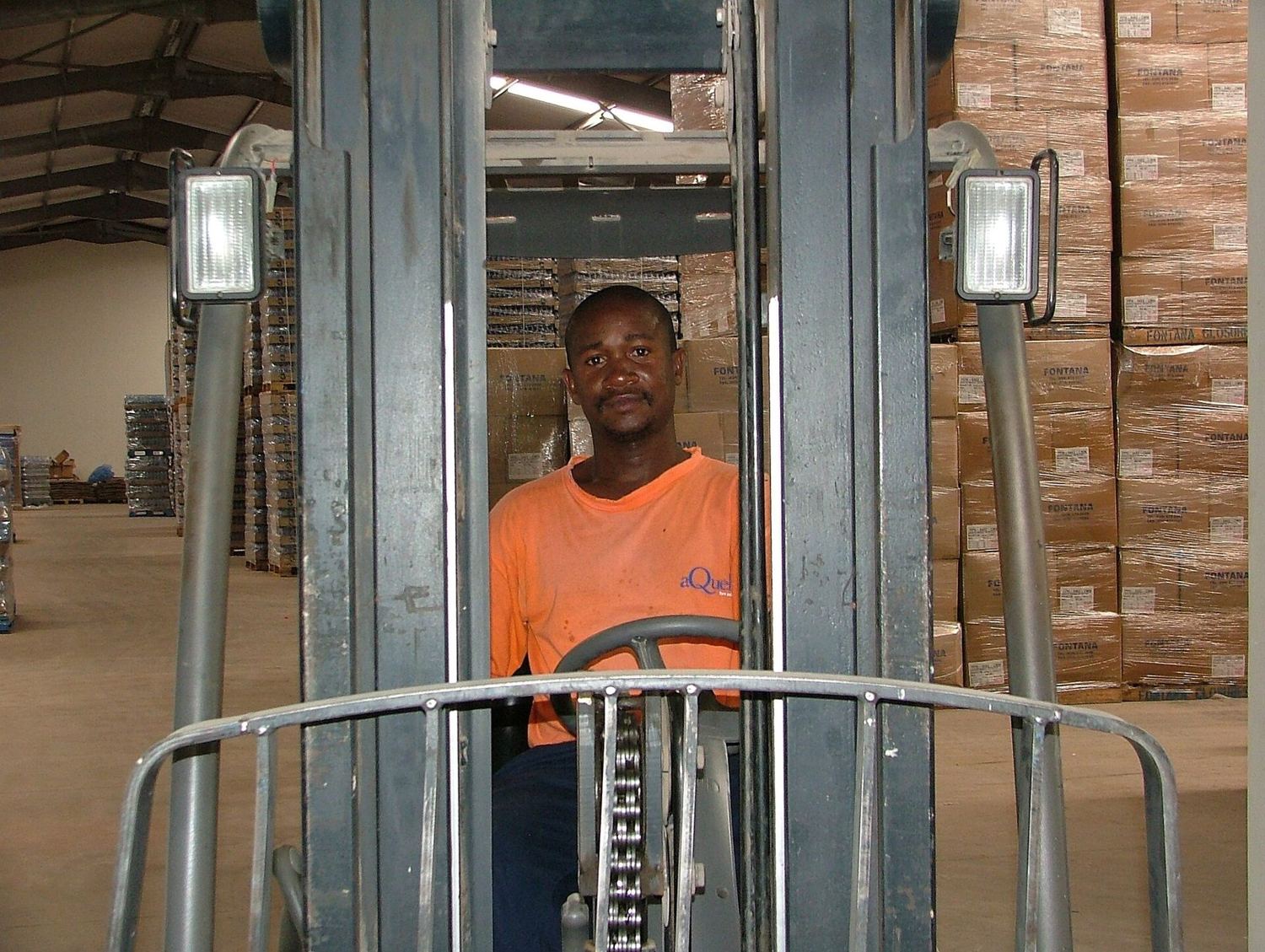
A shared tablet on the warehouse floor is convenient. Anyone can grab it, look up a pick list, mark an order shipped, and move on. But that same convenience means anyone can also grab it and see whatever the last person left open — including screens that were never meant for a warehouse floor at all.
This isn't really about trust. Most warehouse staff couldn't care less what your margin is on a case of bolts. It's about what happens when the wrong screen is one tap away, on a device that gets picked up by whoever is closest, logged into whatever account was convenient at the time.
What ends up on the shared device
It happens gradually, not on purpose. Someone logs into the full Shopify admin to check on an order. A manager pulls up a supplier invoice to answer a question, then walks away. A payout report gets left open because someone was reconciling deposits. None of this is a policy failure — it's just what happens when one tablet serves five different jobs.
The problem is that a warehouse tablet gets handled differently than an office computer. It sits on a cart. It gets passed between shifts. It doesn't lock itself after two minutes because someone is mid-scan. So whatever is open, stays open, in front of whoever walks by — including temp staff, delivery drivers waiting at the dock, or a new hire on day one.
Costs and margins are not floor information
There are good reasons to keep landed cost, wholesale pricing, and margin data off the floor, and none of them are about secrecy for its own sake:
- Staff turnover in warehouses tends to be higher than in the office, so the fewer people who see pricing data, the smaller your exposure if someone leaves on bad terms.
- Margin numbers create awkward conversations that have nothing to do with getting orders out the door — "why do we sell this for so much" is not a productive break-room topic.
- If a competitor or a customer ever gets a look at that tablet, cost data is the one thing you really don't want them walking away with.
None of this requires elaborate security. It requires making sure the tool your pickers use physically cannot show them that information, rather than trusting everyone to just not look.
Payouts are worse, not just more of the same
Cost and margin data is sensitive. Payout information is a different category of problem. A screen that shows bank deposits, payout schedules, or processor fees tells anyone looking at it exactly how much money is moving and when. That's not a "please don't peek" situation — that's a "this should never render on a shared device" situation.
If your current setup means logging into the same Shopify account on the warehouse tablet that your office uses for finance, payouts are one accidental tab away from being visible to whoever picks up that tablet next. The fix isn't a sticky note reminding people to log out. The fix is giving warehouse staff a login that structurally cannot open those screens.
Give them the picking screen and nothing else
This is the actual goal: a warehouse account that opens directly to bin locations and pick lists, and has no path to anything else. Not "please don't click there" — no button that leads there in the first place.
Bins-USA handles this with separate user roles. A picker logs in and sees bin locations, pick lists, and scan-to-confirm screens — the things they need to find a product and get it out the door. They don't see cost fields, supplier pricing, or financial reports, because those aren't part of what that role can open. It's the difference between telling someone not to look in a drawer and not giving them a drawer that opens.
This also solves the shared-tablet problem directly. It doesn't matter who picks up the device on a given shift, because the account tied to that role only ever shows warehouse operations. You're not relying on people remembering to log out of the admin panel before their break. There's no admin panel to log out of.
A simple test
Hand your warehouse tablet to someone outside the company — a delivery driver, a new temp, anyone unfamiliar with your setup — and see what they can find in thirty seconds without asking a question. If the answer includes anything with a dollar figure that isn't a retail price, that's worth fixing before it's someone else's problem to discover.
Separating what the floor needs from what the office sees isn't complicated. It just needs to be built into the login, not left to good intentions.